
Rare Two-Colored Lobster Found Off Cape Cod Donated to Aquarium Instead of Dinner Pot
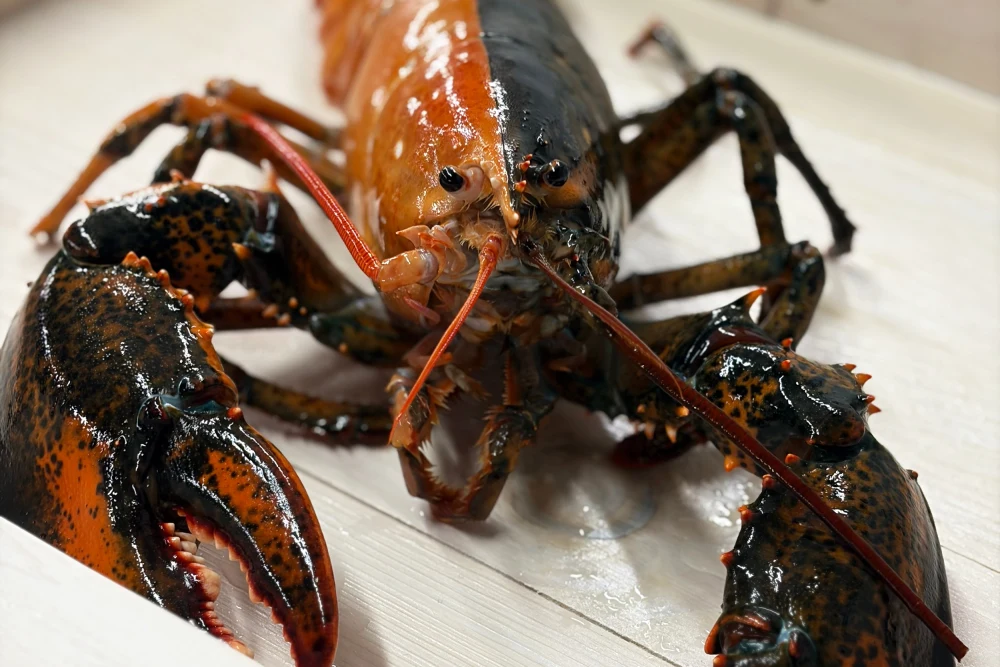
A remarkable ocean discovery is capturing attention across New England after fishermen off Cape Cod caught an extremely rare split-color lobster unlike anything most people ever see. Instead of ending up on a dinner plate, the unusual crustacean has now been donated to a public aquarium, where visitors will eventually be able to see it up close.
The lobster’s most striking feature is its dramatic two-tone appearance. One side of the animal displays the typical mottled brown shade commonly associated with the American lobster, while the other side is a vivid bright orange. The color divide runs cleanly from head to tail, creating an almost perfectly split appearance.
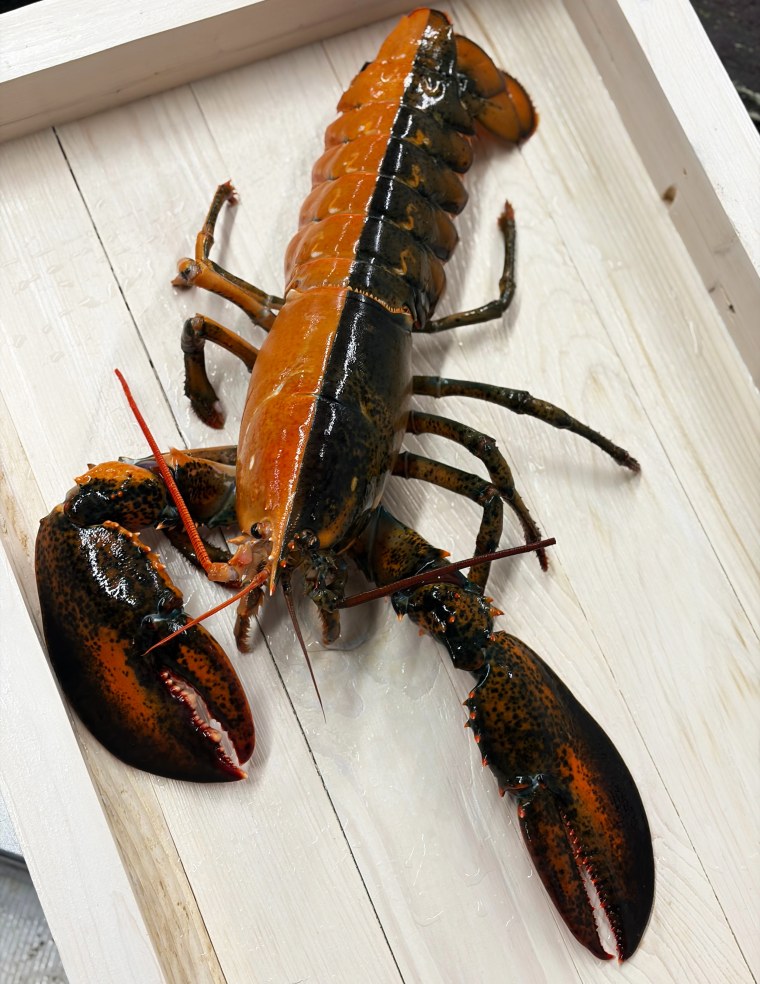
The rare specimen was caught on April 16 by fishermen working waters off Cape Cod. It was later handled by Wellfleet Shellfish Company in Eastham, Massachusetts. After recognizing the rarity of the catch, the company chose to spare the lobster and donate it to Woods Hole Science Aquarium.
According to representatives from the seafood company, public interest surged almost immediately after news of the lobster spread. Inquiries poured in from curious residents, marine enthusiasts, and media outlets fascinated by the unusual animal. The company described the find as both remarkable and exciting.
Because Woods Hole Science Aquarium is currently undergoing construction, the lobster is temporarily being cared for in holding tanks at the Marine Biological Laboratory. Once the aquarium officially reopens, the split-color lobster is expected to become a featured attraction for the public.
Marine experts note that odd-colored lobsters are not unheard of in New England waters. Every spring and summer, fishermen occasionally report blue lobsters, orange lobsters, calico-patterned lobsters, and even pastel-toned “cotton candy” lobsters. However, a sharply divided two-colored lobster is considered far rarer than most of these other variants.
The science behind the phenomenon is especially intriguing. One explanation offered by marine biologists is that such lobsters may develop when two fertilized lobster eggs fuse early in development and grow into a single animal. This process can create bilateral differences in pigmentation and body structure, resulting in the striking half-and-half appearance.
Another contributing factor may involve genetic mutations affecting pigment proteins. Lobsters naturally contain pigments that interact with proteins in their shells. Variations in those interactions can dramatically change shell coloration, especially during growth cycles.
The American lobster is typically brown or olive-toned in the wild, a coloration that helps camouflage it against rocky seafloor environments. Bright orange coloring is much less common and more noticeable in natural habitats, making survival potentially more difficult because predators can spot them more easily.
That may be one reason why so few rare-color lobsters are ever found at adult size. For this particular specimen to survive long enough to be caught by fishermen already makes it an exceptional case.
For local communities in New England, rare lobster sightings often become feel-good regional stories that blend fishing tradition, marine science, and public curiosity. The fishing industry remains deeply tied to coastal identity in states such as Massachusetts and Maine, so unusual catches naturally draw attention.
Beyond novelty, the lobster also offers educational value. Once displayed, aquarium visitors will be able to learn about marine genetics, shellfish ecology, and the biodiversity hidden beneath Atlantic waters. Rare animals like this often inspire public interest in conservation and ocean science more effectively than textbooks alone.
The decision by Wellfleet Shellfish Company to donate rather than sell the lobster has also been widely praised. In an industry centered on harvest and commerce, preserving an extraordinary specimen for public education adds a meaningful dimension to the story.
As anticipation builds for the aquarium reopening, the split-color lobster is already becoming something of a regional celebrity. For many people, it is a reminder that nature still holds surprises—even in waters that generations of fishermen know well.