
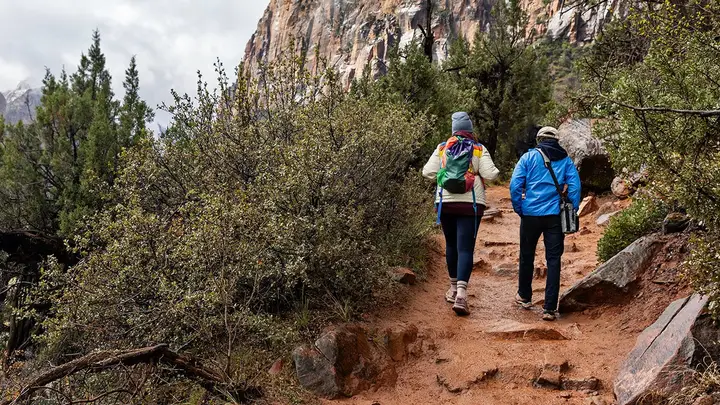
Deadly Week at Zion National Park Sparks Debate Over Risk, Experience and Safety
Two fatal accidents in less than a week at Zion National Park have triggered renewed debate about the risks of hiking in one of America’s most iconic natural destinations.
The incidents, involving both an experienced hiker and a solo adventurer, highlight how even well-known routes can become dangerous under the wrong conditions.
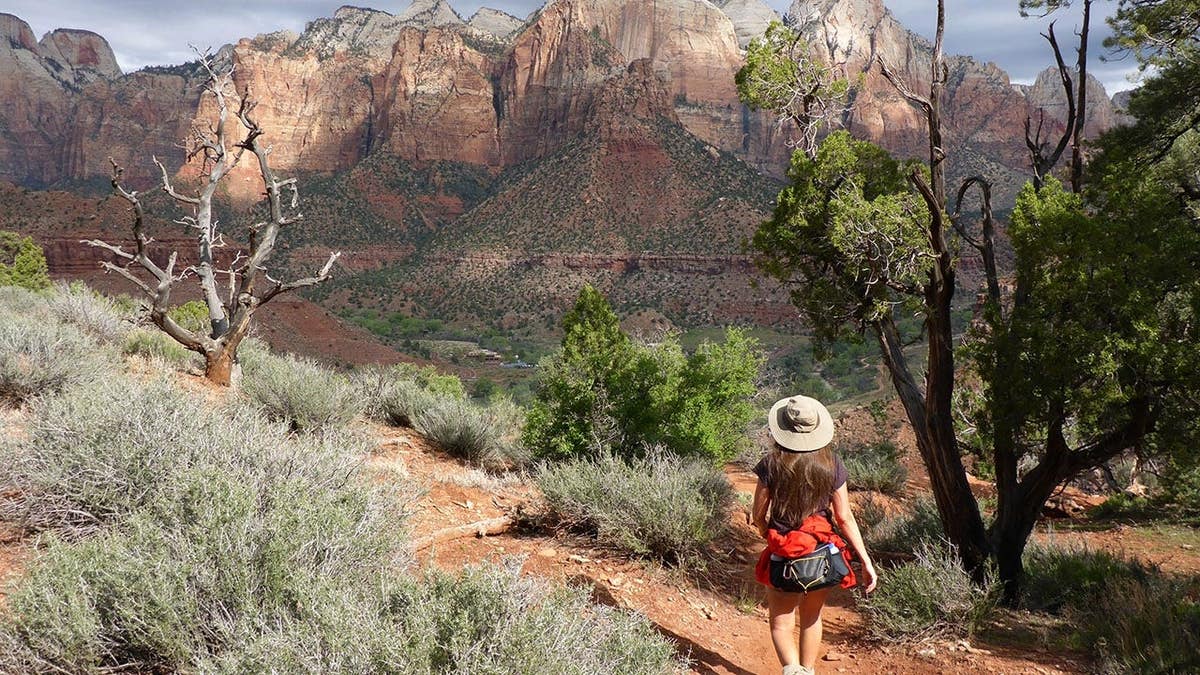
The first case involved a 68-year-old man who fell while hiking the renowned Angels Landing trail on April 17. The route is famous for its narrow ridge and sheer drop-offs, where hikers must rely on chains for balance.
Authorities from the National Park Service responded swiftly after receiving emergency calls. The victim was located in Zion Canyon, and recovery operations were completed later that day.
Less than a week later, a second fatality occurred in Spry Canyon, where a 43-year-old man died during a canyoneering trip.
Although the route is often described as beginner-friendly, it includes technical elements such as scrambling and rappelling down high rock faces. Emergency responders attempted to resuscitate the individual but were unsuccessful.
The back-to-back tragedies have raised questions about whether hiking risks are increasing or simply becoming more visible.
Experts say the latter may be closer to the truth.
According to park safety specialists, most fatalities are not due to infrastructure failures but rather individual decisions—such as leaving designated paths, misjudging terrain, or underestimating physical demands.
Natural hazards also play a significant role. Rockfalls, sudden water surges in canyons, and unstable surfaces can create unpredictable conditions even on familiar routes.
One key issue is perception.
Popular destinations like Zion are often portrayed as accessible and scenic, attracting visitors with varying levels of experience. Social media can amplify this effect, making challenging trails appear easier than they actually are.
As a result, some hikers may attempt routes without proper preparation, equipment, or awareness of risks.
The second incident also highlights another concern: solo travel.
While hiking alone can be rewarding, it also reduces the margin for error. In emergencies, having a partner can mean faster response times and a higher chance of survival.
Park officials emphasize that safety begins with preparation.
This includes researching trail difficulty, checking weather conditions, carrying appropriate gear, and understanding personal limits. Following posted warnings and staying on marked paths are also critical.
Despite these measures, experts acknowledge that accidents cannot be completely prevented.
Nature remains unpredictable, and even small mistakes can have serious consequences in environments like Zion National Park.
The recent fatalities serve as a powerful reminder that outdoor adventure comes with inherent risks.
For visitors, the goal is not to avoid nature—but to engage with it responsibly.
Because in places of extreme beauty, caution is not optional. It is essential.