Scores of Lebanese Paramedics Killed as Aid Worker Death Toll Rises in Conflict
A growing humanitarian crisis is unfolding in Lebanon, where dozens of paramedics and health workers have reportedly been killed during Israeli military operations, raising urgent concerns about the protection of first responders in war zones.
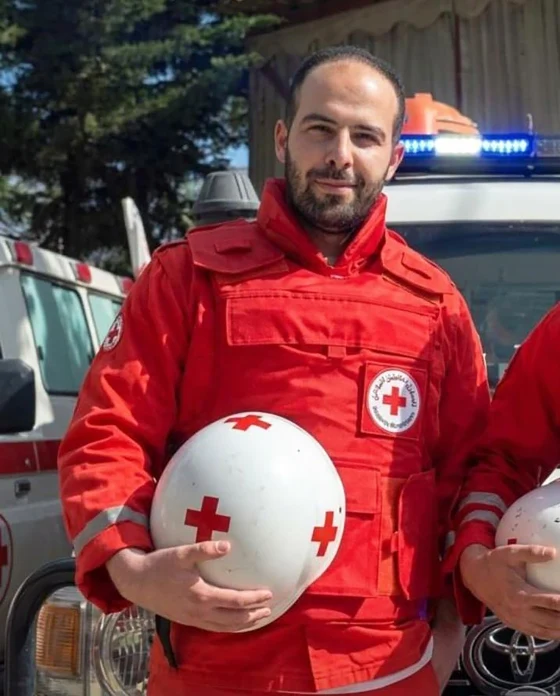
Among the dead is Hasan Badawi, a 31-year-old volunteer medic with the Lebanese Red Cross. According to aid officials, Badawi was killed earlier this month while responding to a mission in southern Lebanon near the strategic area of Bint Jbeil.
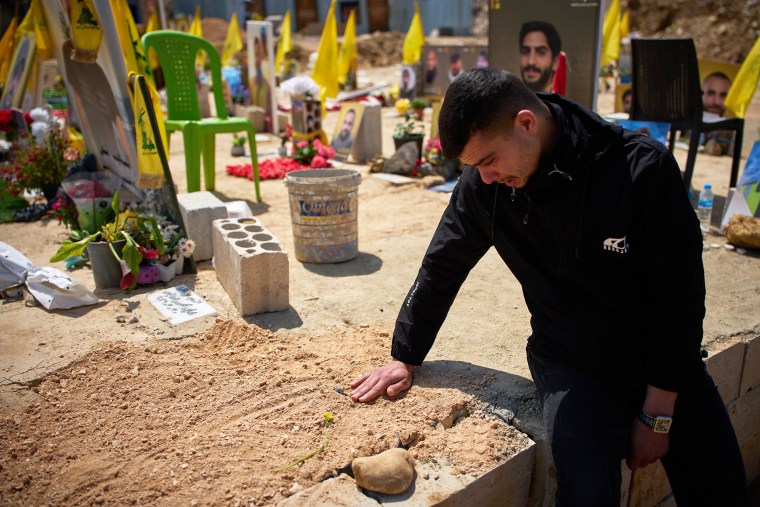
Badawi, a father of one with another child on the way, had joined an ambulance team sent toward areas affected by military strikes. The Lebanese Red Cross said the team wore clearly marked uniforms and traveled in a visibly identified ambulance. The organization also said safe passage had been coordinated before the mission.
Despite those measures, the Red Cross stated that the team was directly targeted, leaving one medic dead and another wounded. Israeli officials said the strike had targeted a Hezbollah member and that reports involving the Red Cross team were under review.
The incident has become symbolic of a broader pattern. According to Lebanon’s health ministry, at least 100 health workers have died since the current regional escalation began earlier this year. Of those, at least 95 were emergency medical workers or volunteers, most of them paramedics.
Aid organizations warn that the toll reflects a dangerous global trend in which humanitarian personnel are increasingly being killed in conflict zones.
Under international humanitarian law, medical staff, aid workers, ambulances, and civilians receive protected status during armed conflict. The Geneva Conventions specifically prohibit deliberate attacks on noncombatants and humanitarian responders except under narrow circumstances.
Yet experts say these protections are under severe strain.
Tom Fletcher recently told the United Nations Security Council that at least 326 aid workers were killed globally in 2025 alone across 21 countries. Over the last three years, more than 1,010 humanitarians have died in conflict settings, according to his remarks.
The Middle East has been a central focus of those losses.
Human rights advocates argue the deaths in Lebanon echo earlier controversies surrounding attacks on medical infrastructure and aid workers in Gaza Strip and the West Bank.
Israel rejects accusations of unlawful targeting. The Israel Defense Forces says it operates under international law, does not target civilians intentionally, and takes feasible precautions to reduce harm to civilian infrastructure. It also accuses militant groups such as Hezbollah of embedding military assets within civilian areas and using ambulances or civilian structures for military purposes.
Those competing claims are difficult to verify independently in active combat zones.
Three days after Badawi’s death, another series of strikes reportedly killed four additional paramedics responding to an Israeli raid in the Mayfadoun area of southern Lebanon. According to local ambulance services, the first response team was hit, and later teams arriving to assist were struck in subsequent attacks. Israeli officials again said reports were under review.
For Lebanon, every loss carries heavy consequences.
The country’s healthcare and emergency systems were already under pressure from years of economic collapse, political instability, and infrastructure strain. Aid groups say the destruction of even one ambulance can deprive entire communities of lifesaving care.
Dr. Shawky Amine Eddine of the International Committee of the Red Cross warned that Lebanon’s emergency response capacity is being stretched dangerously thin.
For colleagues of Hasan Badawi, the crisis is deeply personal.
One fellow responder said Badawi was not just a colleague, but a brother. He emphasized that paramedics go into danger zones to save lives—not to become targets themselves.
As fighting continues in southern Lebanon despite temporary ceasefire efforts, humanitarian organizations are urging all sides to respect medical neutrality and civilian protections.
Because when ambulances are no longer safe, entire communities lose far more than vehicles—they lose their lifeline.