
Iran Offers New Trump Proposal to Reopen Strait of Hormuz as Nuclear Talks Stall
Iran has reportedly delivered a new diplomatic proposal to United States President Donald Trump that would prioritize reopening the Strait of Hormuz, easing war tensions, and postponing difficult nuclear negotiations until a later stage.
The reported offer comes at a critical moment as energy markets remain volatile and peace talks between Washington and Tehran have struggled to gain traction. According to regional sources, the Iranian plan seeks to focus first on restoring maritime trade flows and reducing military confrontation, while shelving disputes over uranium enrichment and the broader nuclear file for future negotiations.
The proposal was discussed Monday in a White House meeting between President Trump and his national security team, according to Karoline Leavitt. However, the administration has not indicated whether it views the plan as viable.
Leavitt told reporters that Trump’s red lines on Iran had already been made “very, very clear,” signaling that the White House remains cautious. She stopped short of confirming active consideration of the offer, saying only that the proposal had been discussed.
At the center of the crisis is the Strait of Hormuz, one of the most important energy corridors in the world. A significant percentage of global oil exports moves through the narrow passage, making any disruption a direct threat to fuel prices, inflation, and international shipping stability.
That explains why reopening the waterway is considered a top priority not only for Washington but also for Gulf allies. Members of the Gulf Cooperation Council were expected to discuss the Iranian proposal as well, according to regional officials.
While the United States continues to insist that Iran curb its nuclear enrichment activities, Gulf nations are believed to be more immediately focused on restoring uninterrupted oil flows and preventing wider economic damage.
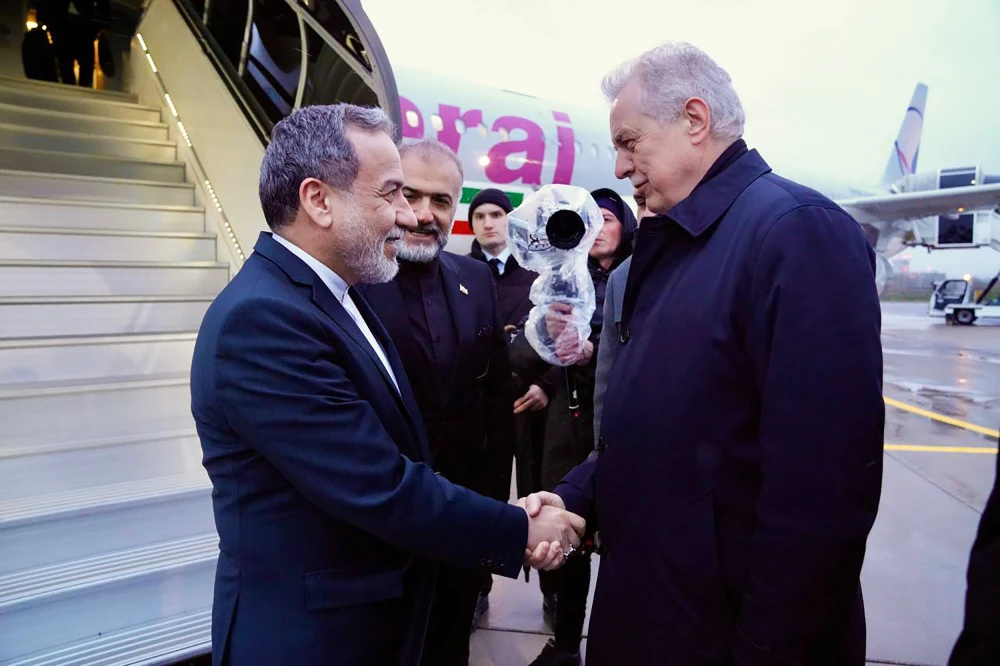
Diplomatic efforts have become increasingly complicated in recent days. Abbas Araghchi traveled to Islamabad, which has emerged as an important mediation hub, to present Iran’s updated framework through Pakistani intermediaries. However, he reportedly declined direct meetings with U.S. representatives.
Araghchi then traveled to Russia for talks with Vladimir Putin, highlighting Tehran’s parallel diplomatic outreach. During those meetings, both sides reportedly emphasized regional interests and Iran’s resistance under pressure.
Meanwhile, President Trump publicly signaled frustration with the pace of diplomacy. He canceled a planned weekend trip by his envoys, including Steve Witkoff and Jared Kushner, saying too much time had been wasted.
Trump later claimed that within minutes of canceling the trip, Iran responded with what he described as a “much better” proposal. He reiterated that Tehran could contact Washington directly if it wanted an agreement.
The president has also argued that the U.S. naval blockade is placing strong economic pressure on Iran by restricting its ability to sell oil and generate revenue. Such measures, he says, increase leverage in negotiations.
However, Iran has shown no sign of capitulating quickly. Tehran still holds strategic influence over the Strait of Hormuz and understands its ability to affect the global economy through shipping disruption.
Analysts say the reported Iranian proposal reflects a classic sequencing dispute. Tehran appears to want immediate relief and regional de-escalation first, while Washington wants the nuclear issue addressed up front.
If both sides remain locked into those positions, progress may remain limited. But if a phased compromise emerges—stability first, nuclear talks later—it could create a path toward broader negotiations.
For now, markets, allies, and diplomats are waiting for Trump’s next move. With oil prices sensitive to every development, the outcome of this proposal may carry consequences far beyond the Middle East.